
How to Taste Mezcal Like an Expert (And Why It Changes Everything)
Updated: Apr 27
Taste Mezcal Like an Expert (And Why It Changes Everything)
If you've ever taken a sip of mezcal and thought "I don't get it," you're not alone and you're not wrong. Mezcal isn't a drink that announces itself the way a cocktail does. It asks for something back: a little stillness, a little attention. Once you give it that, everything shifts.
This guide will walk you through how to actually taste mezcal not just drink it and why learning to do so is one of the most rewarding things you can do with a glass.
First: understand what you're holding
Before you bring the glass to your lips, it helps to know what mezcal actually is. Unlike
tequila, which can only be made from blue agave and is produced in specific regions, mezcal can be made from over 40 different varieties of agave, sourced from across Mexico.
Each variety — espadín, tobalá, tepeztate, cuishe, madrecuixe — produces a completely distinct flavor profile. The agave plant can take anywhere from 7 to 35 years to mature before it's harvested. That single fact tends to change how people hold the glass.
Mezcal is also one of the few spirits in the world where production is still tied to specific families and communities. When you're tasting mezcal, you're tasting a place, a person, and a process — not a formula.
The ritual: one trick that changes everything
Most people swallow mezcal and wait for the burn to pass. The actual move is the opposite: take a small sip, let it settle for a moment, and then — after you swallow — exhale slowly through your nose.
That exhale is where mezcal lives. The retronasal passage carries the vapor back up through your olfactory system, and what you get is often completely different from what you tasted on the way down. Smoke that wasn't there before. A flash of tropical fruit.
Something mineral and dry. It's the moment people go quiet mid-conversation, and it's the reason a good mezcal doesn't need a cocktail to be interesting.
After that, pay attention to the finish — how long the flavor stays and whether it evolves or just fades. A mezcal with a long, shifting finish is almost always a sign of careful, small-batch production. A harsh, short one usually isn't.
What to eat alongside it

The orange-and-sal-de-gusano image is real, but it's also a bit reductive — the kind of shorthand that flattens a much more interesting tradition. In practice, the best thing to eat with mezcal is whatever people in that region were already eating when the mezcal was made.
An espadín from the Central Valleys of Oaxaca sits naturally alongside tlayudas, tasajo, or black bean memelas — earthy, fermented flavors that mirror the agave's own depth. A tobalá or tepeztate, wilder and more floral, opens up alongside something more delicate: a fresh Oaxacan cheese, a squash blossom quesillo, or a light herb-forward soup. Mezcals from Guerrero or San Luis Potosí, where production traditions and local cuisine both differ sharply from Oaxaca, call for completely different companions.
The point is that mezcal and regional Mexican food evolved together. When you pair them with that in mind — honoring the same geography — you're not just eating and drinking, you're tracing a line back to a specific place and community. That's the kind of pairing design our chef dinners at Dos Cuerpos are built around.
Why it changes everything
Once you know how to taste mezcal, you can't un-know it. You start to understand why people become obsessed, not with drinking more, but with tasting more. With seeking out a tepeztate from a different region, or trying the same producer's mezcal from two different harvests, or noticing how the same bottle tastes different on a warm afternoon versus a cool evening.
It also changes how you think about production. Knowing that an agave plant waited 25 years to become the mezcal in your glass makes every sip feel a little more significant.
Experience mezcal tasting in person at Dos Cuerpos
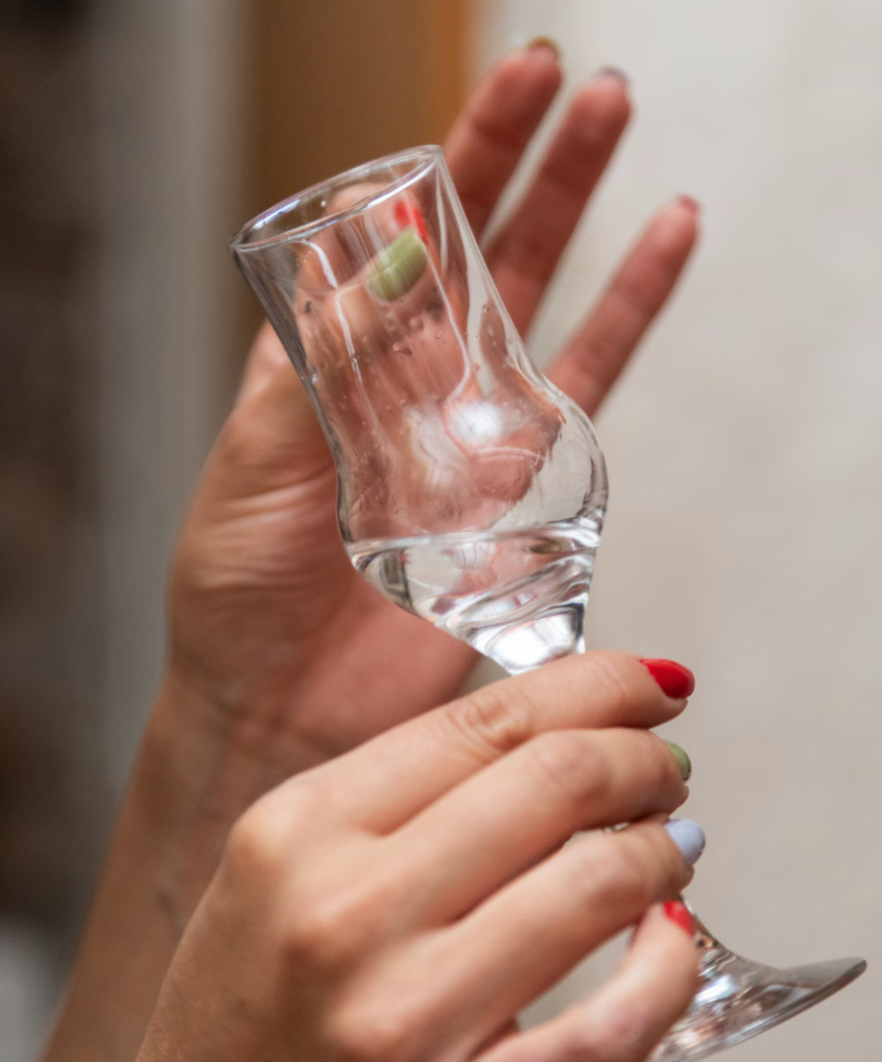
Reading about mezcal tasting is one thing. Doing it in the right space, with the right guide and a thoughtfully curated selection, is another entirely.
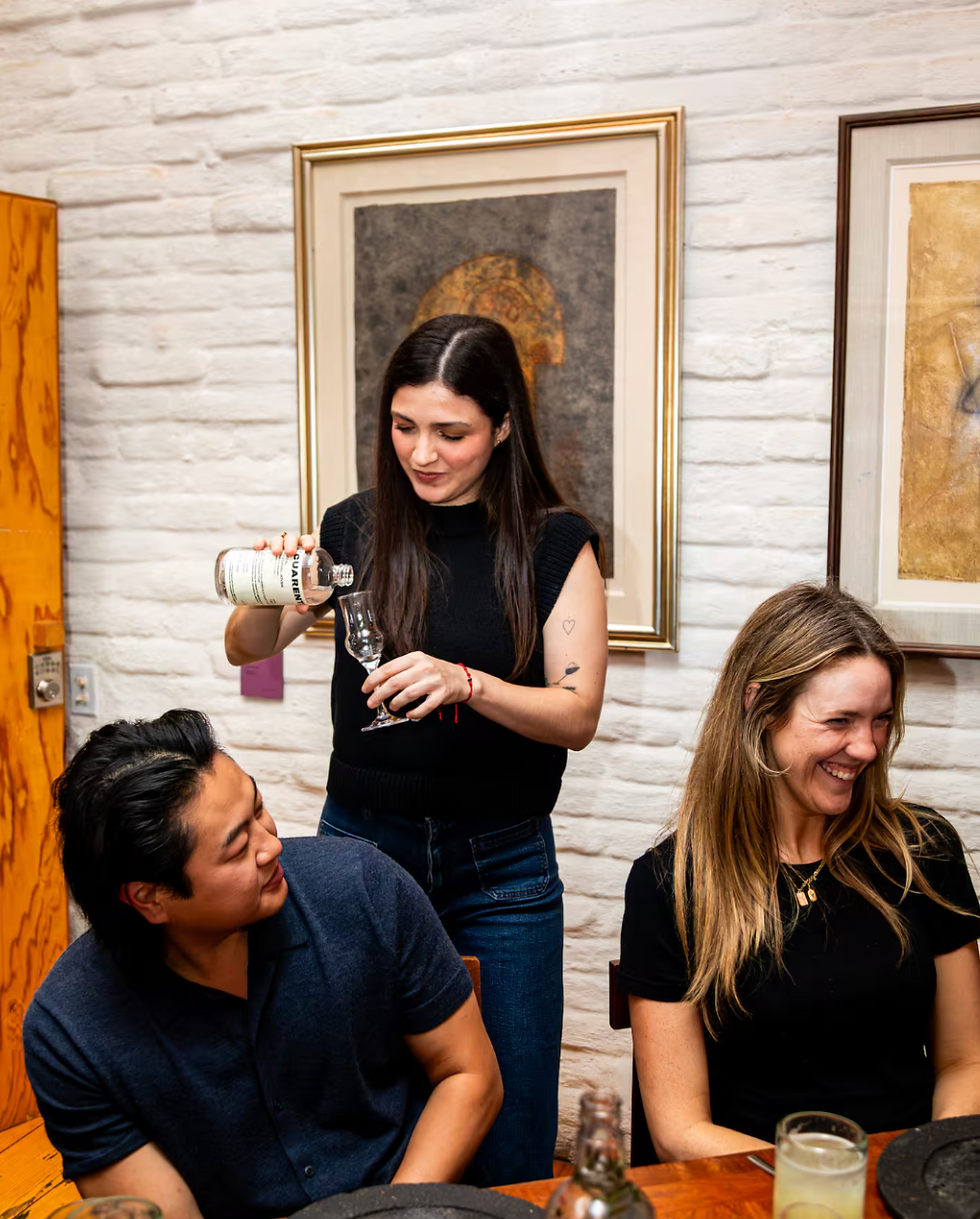
At Dos Cuerpos, our mezcal tastings are designed to walk you through exactly this process — from nose to finish, with the stories of the producers behind every bottle.
Our most popular experience, The Essentials Tasting, is available for 1 person or more and is the perfect introduction whether you're a first-timer or someone who's been drinking mezcal for years but never really tasted it.
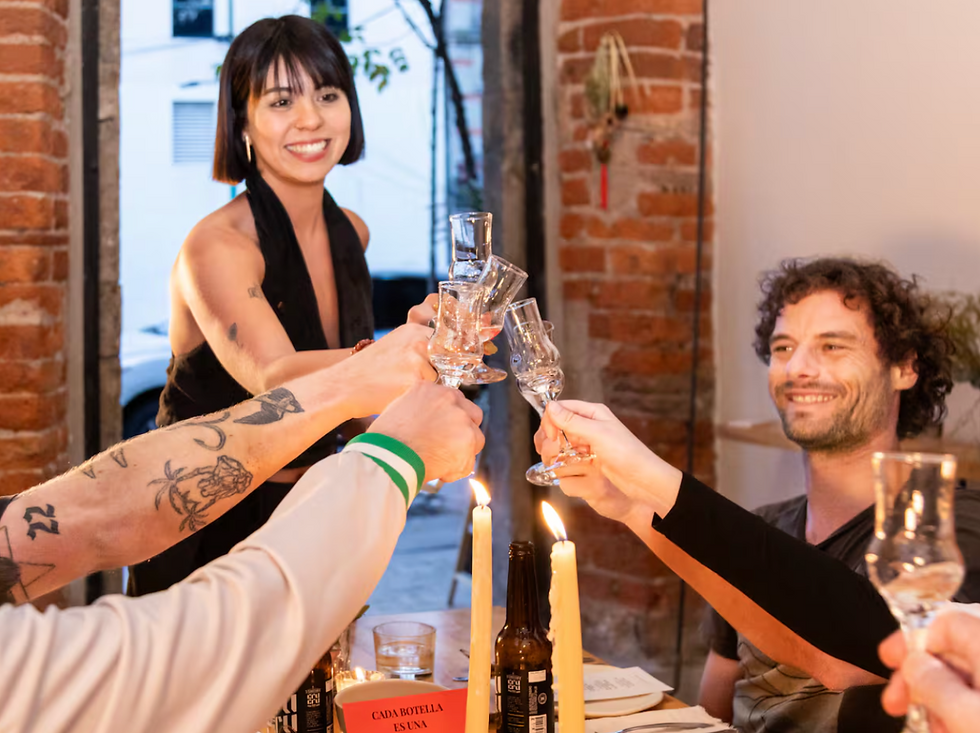
We also offer chef pairing dinners in collaboration with different chefs, each bringing their own specially designed menu — one of the best ways to understand how mezcal interacts with food, and never quite the same experience twice.
Dos Cuerpos is a mezcal and Mexican wine tasting concept based in the Roma neighbourhood, Mexico City. We work exclusively with artisanal producers and design each experience around conscious, curious consumption.

Comments